With over 50 resident and about 30 endemic species, the Galápagos Islands are a bird watcher’s fantasy. Many of the species have evolved in isolation producing unique characteristics. Endemic seabirds and land birds abound in the Galapagos archipeligo and the migratory species only add to the diversity. Due to the rich marine life in the surrounding waters there is an exciting variety of seabirds to be witnessed as well as land/shore species. Some of the more notable are:
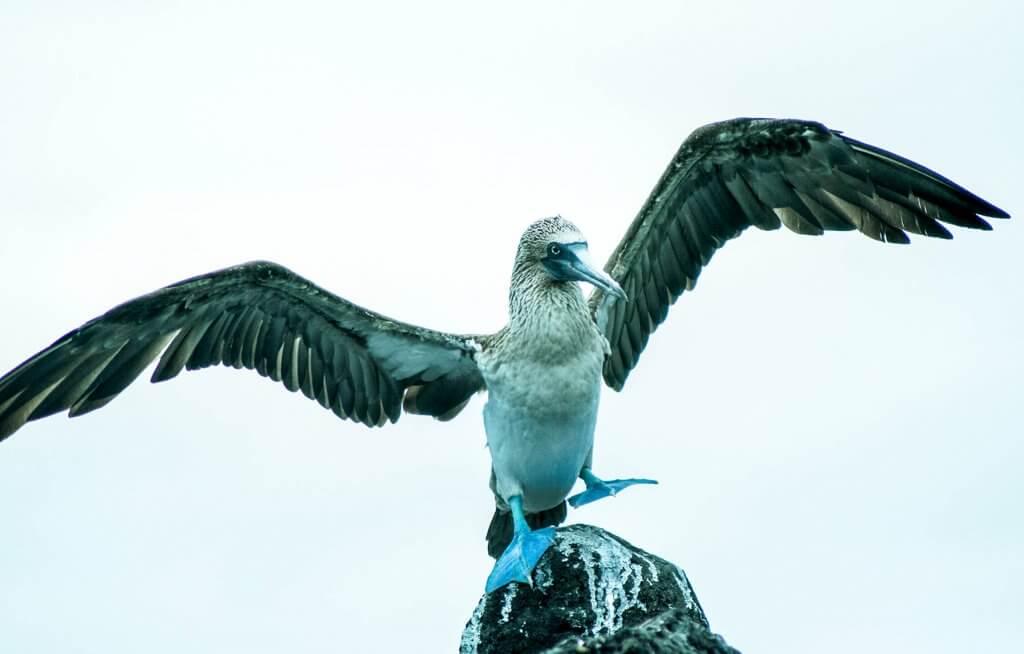
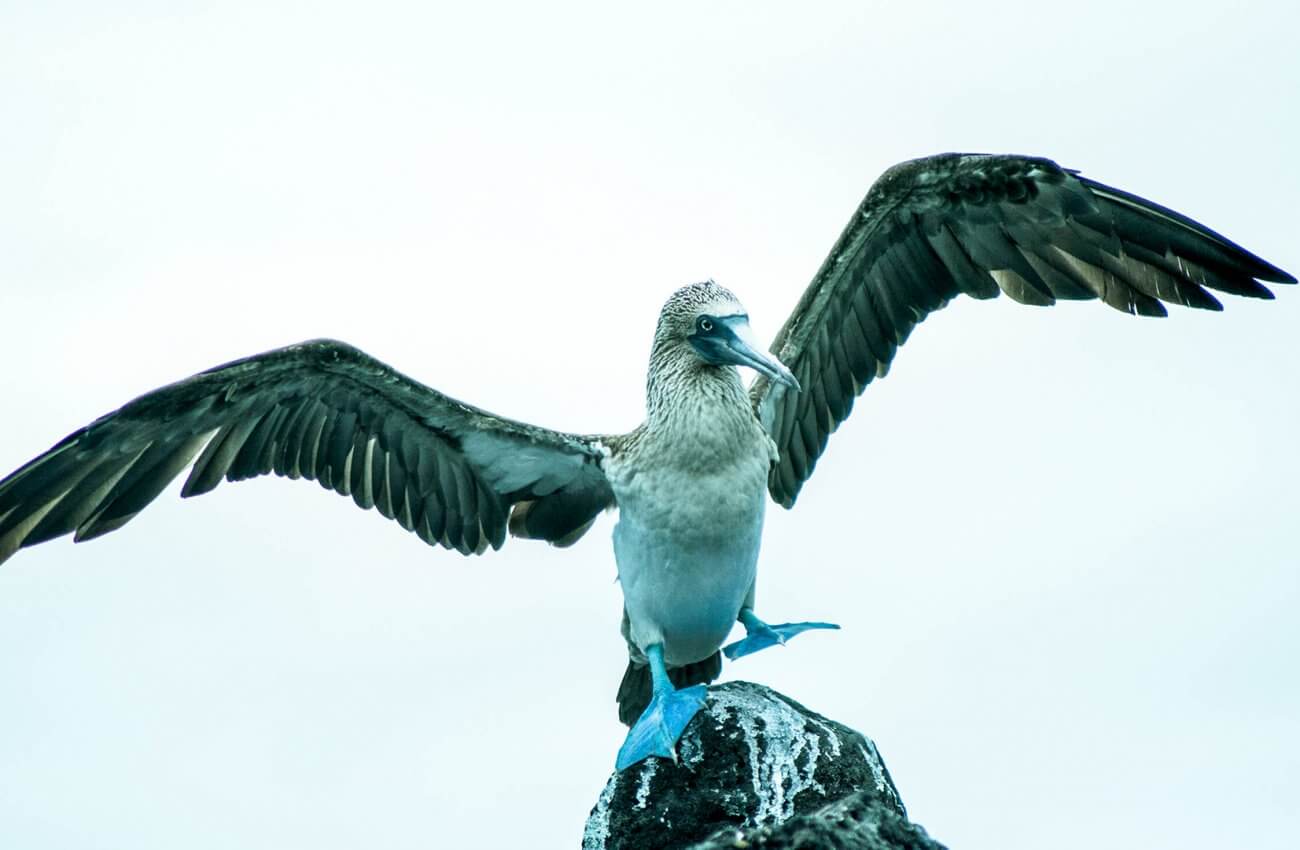
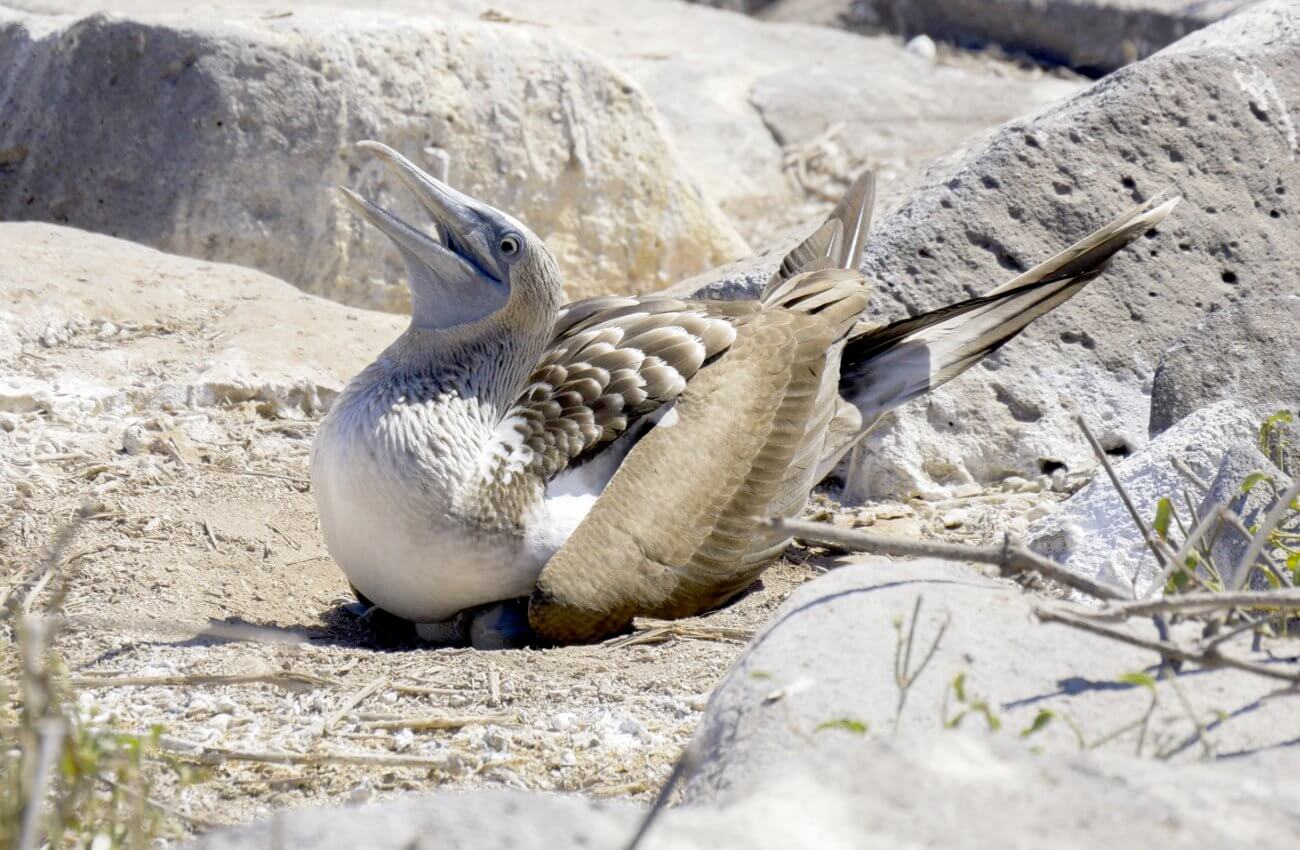
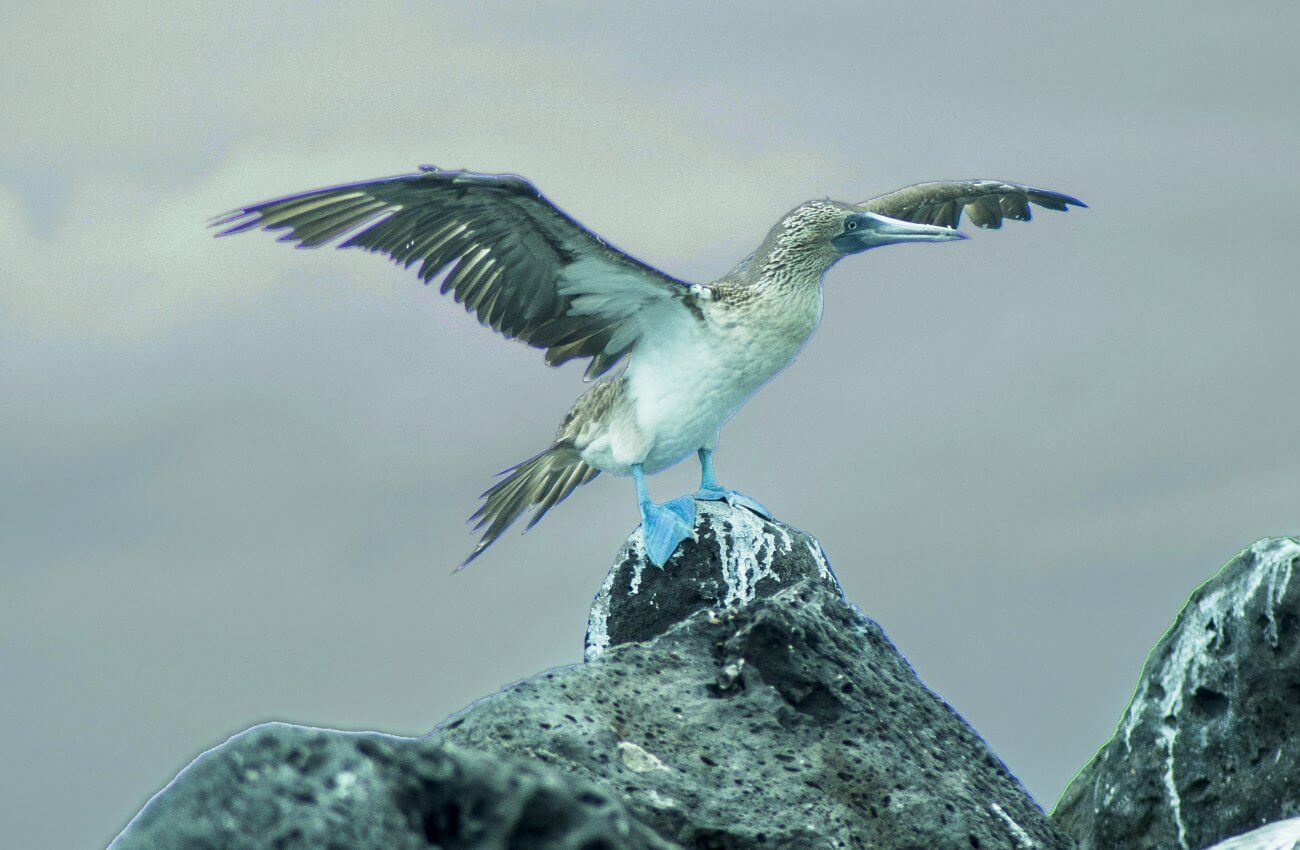
Blue-footed booby (Sula nebouxii) – Definitely one of the more marketable Galapagos Bird species. Its fame comes from their bright blue feet and mating dance or perhaps the humorous wordplay with its name.

Waved albatross (Phoebastria irrorata) – these masters of flight can only be found on land on Española Island — where you can catch a bit of their elaborate courtship rituals.
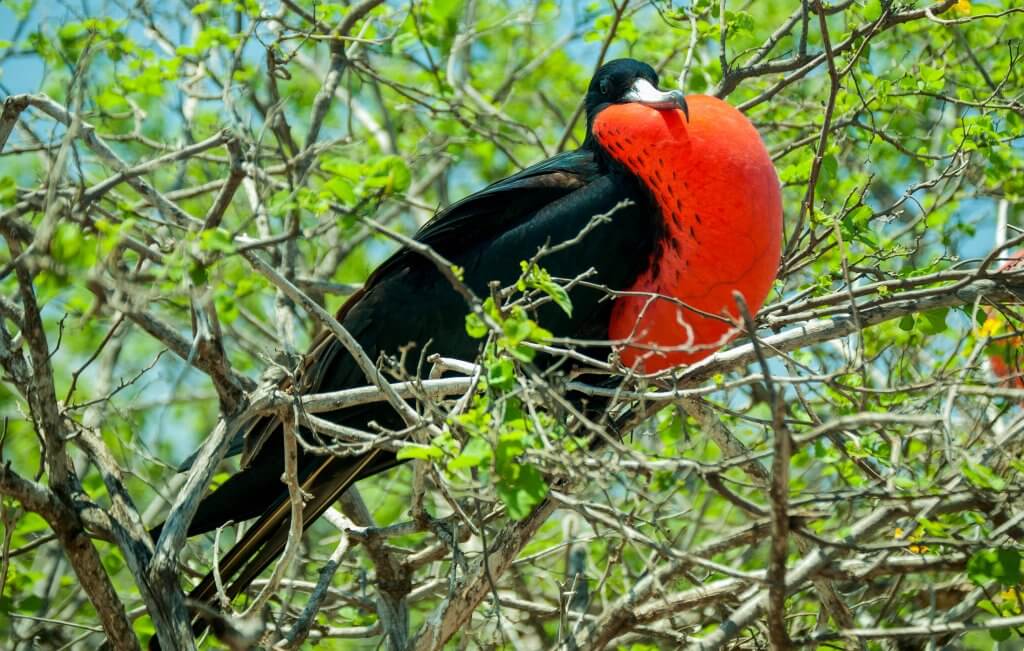
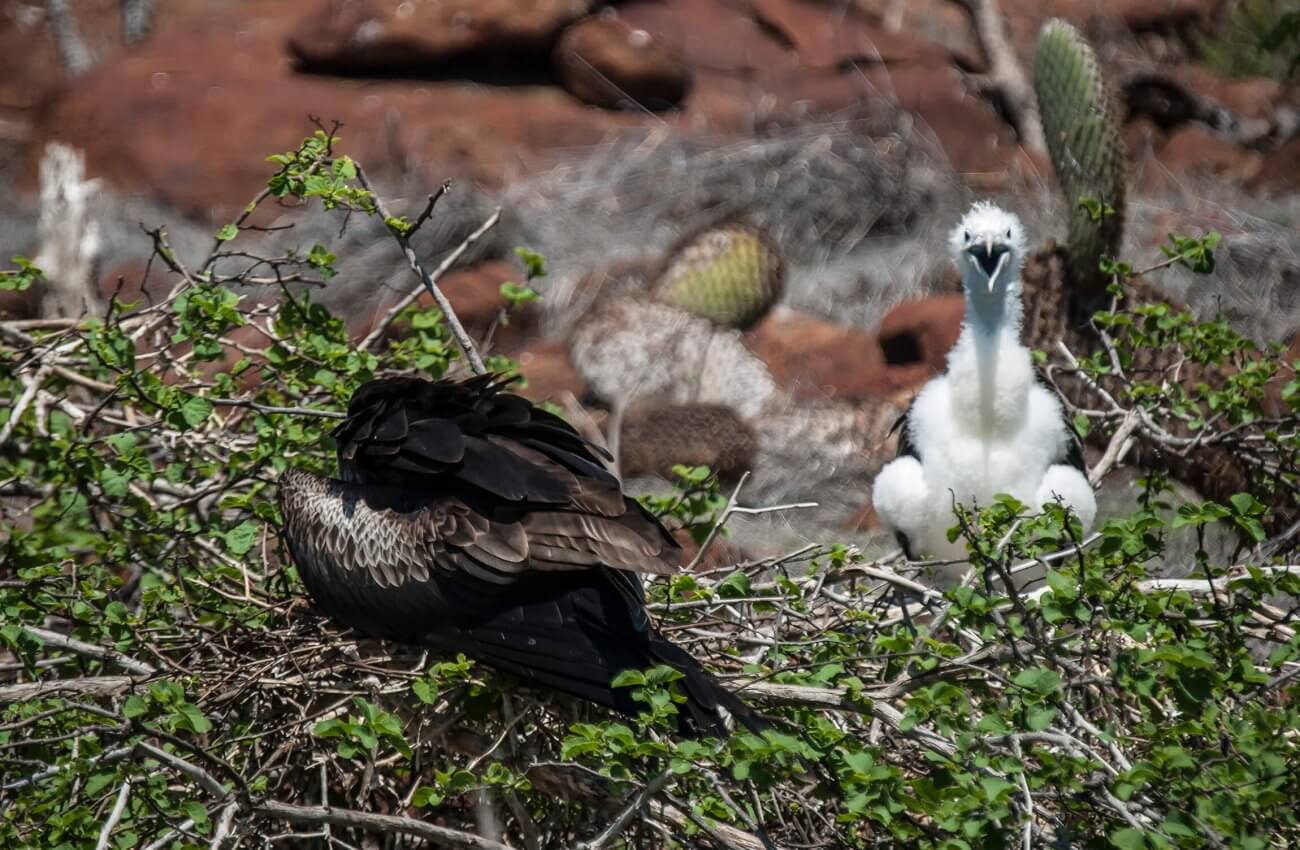
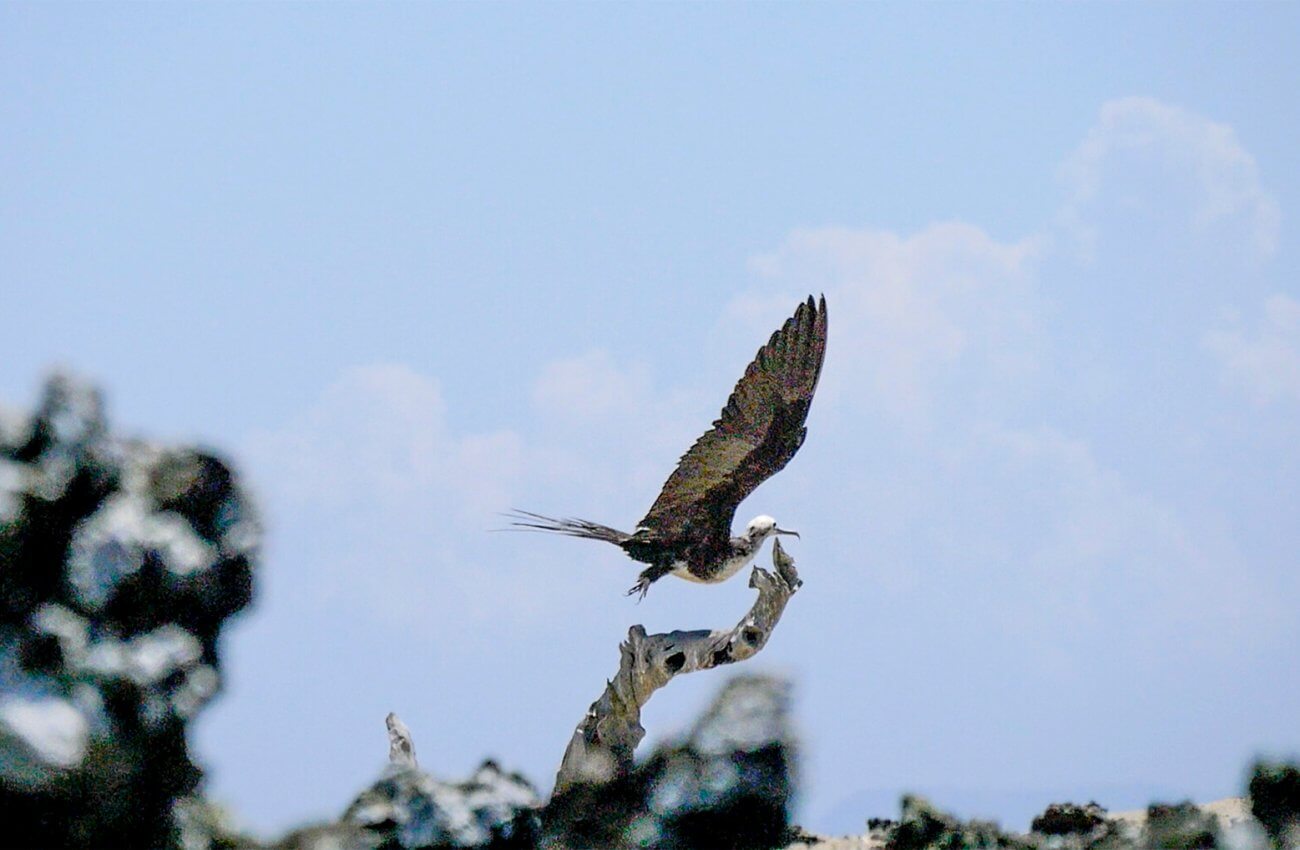
Frigatebirds – both Magnificent and Great Frigatebirds can be found throughout the Galapagos Islands. Males inflate huge red throat pouches to attract females.
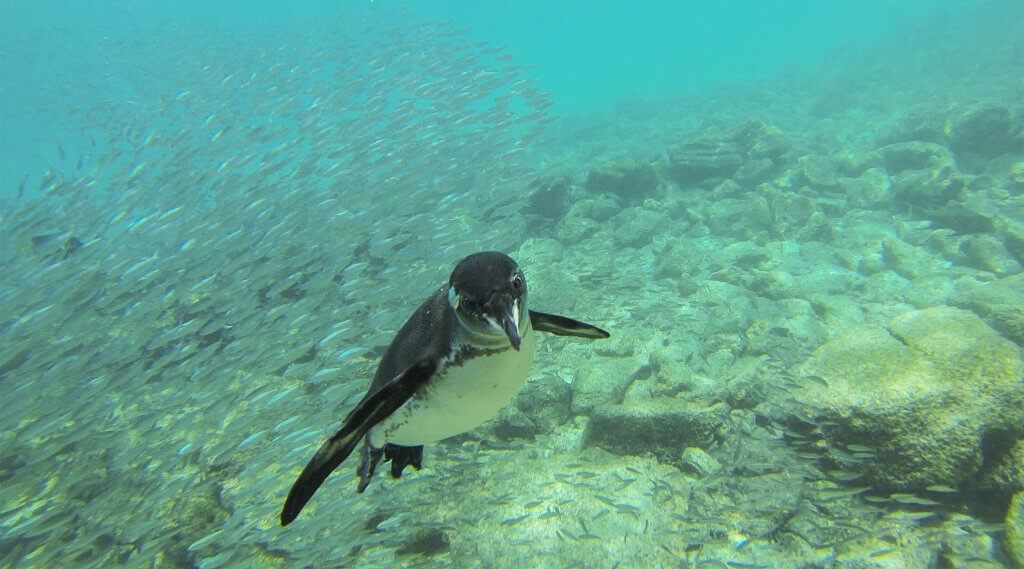
Galápagos Penguin (Spheniscus mendiculus) – these exciting creatures are the only penguins that live in tropical waters.
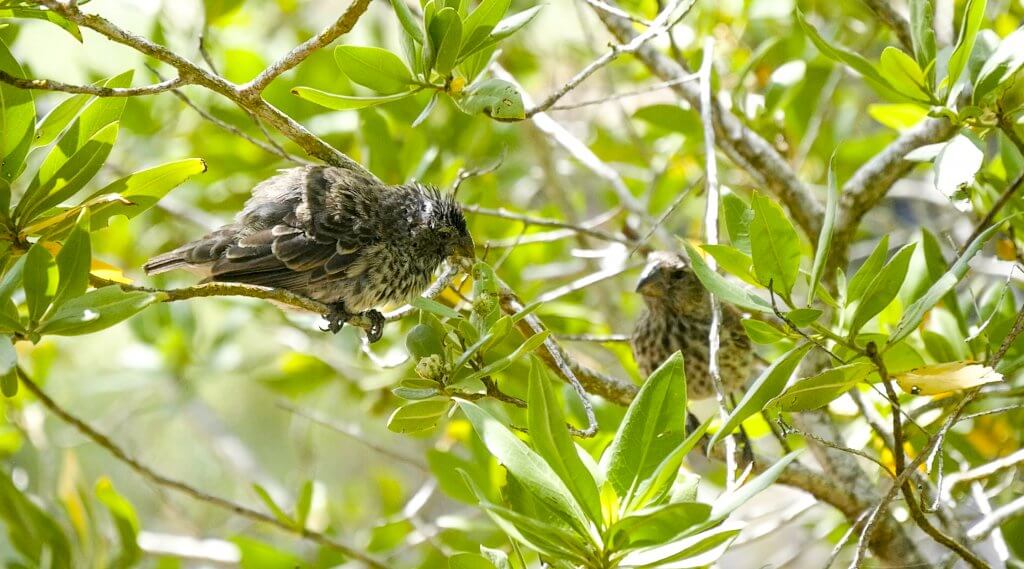
Darwin’s finches (13–14 species) – Small, plain-looking birds, but with beak shapes adapted to different foods. Inspired Charles Darwin’s theory of natural selection.
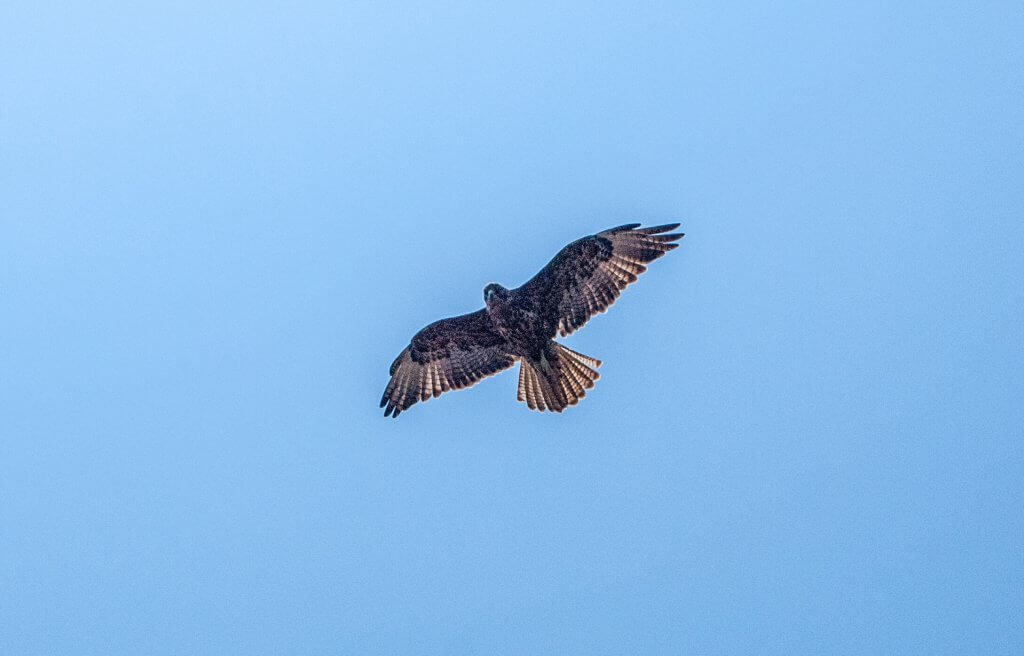
Galapagos Hawk – The islands’ top land predator, endemic, and highly territorial.
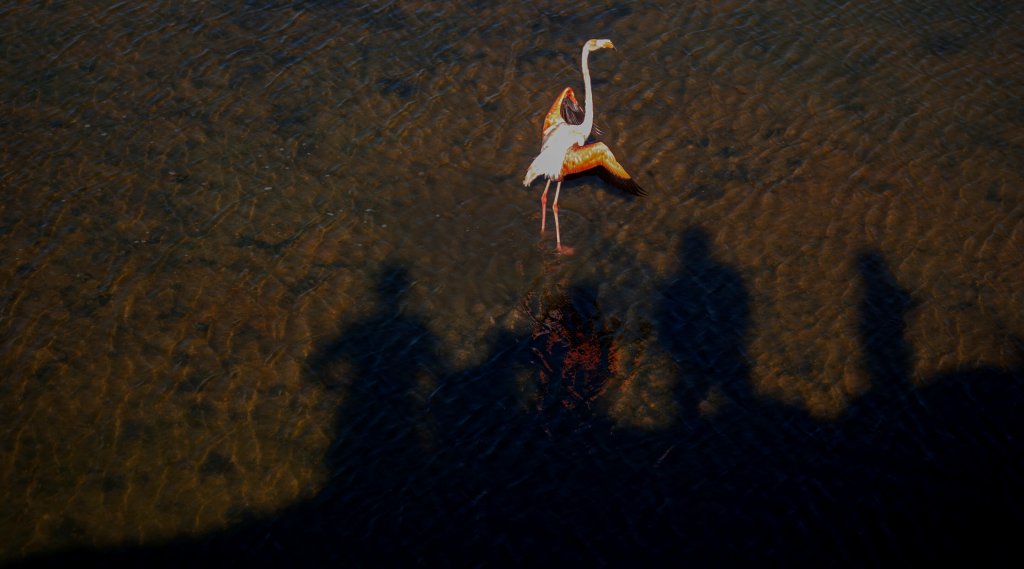
Flamingos are not endemic, but instead are residents on some islands like Santa Cruz, Floreana & Isabela.
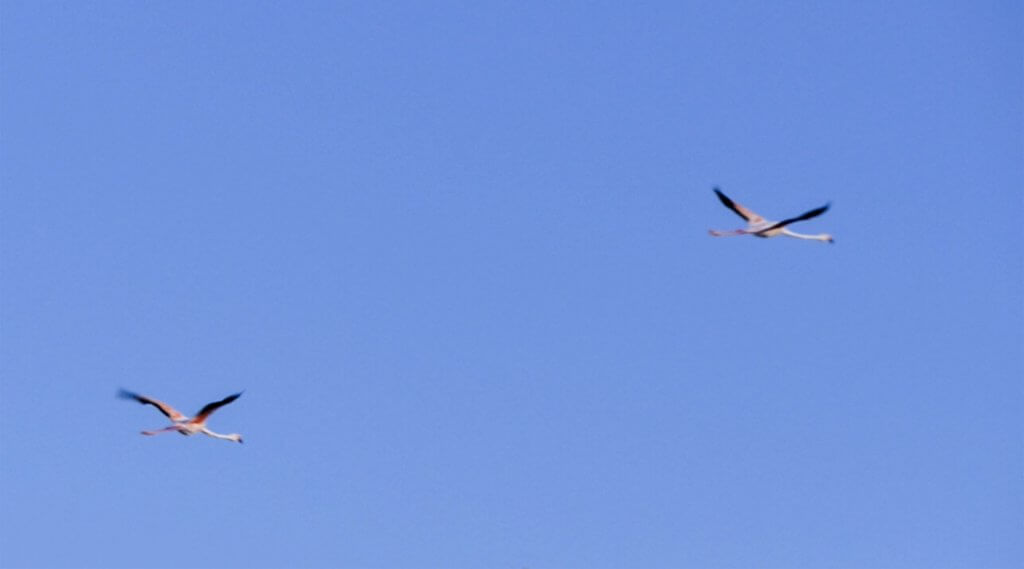
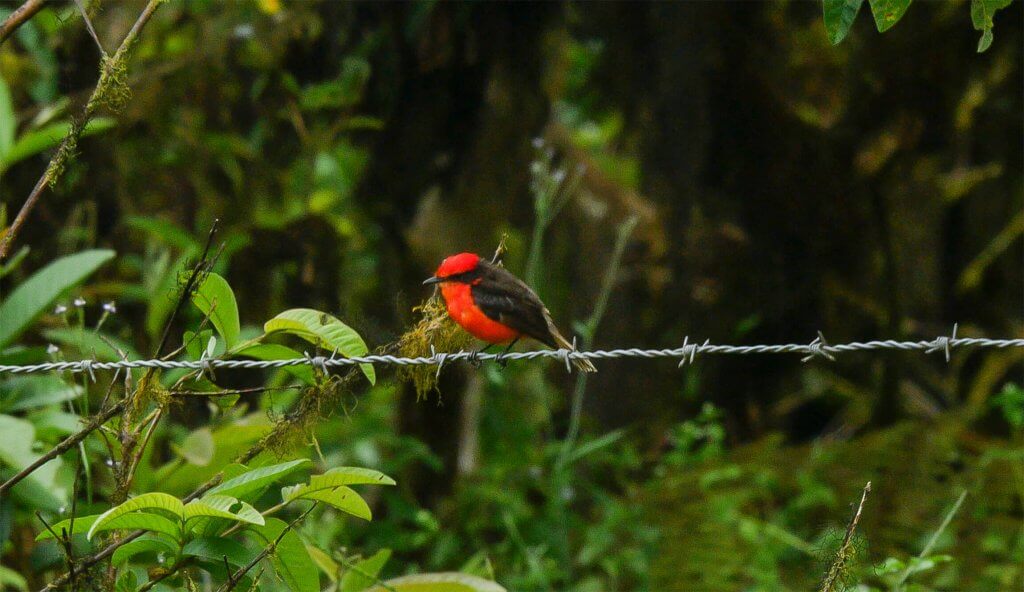
Galapagos Flycatcher (Pyrocephalus nanus) locally known as the Pajaro Brujo is a near threatened species easily identified by the male’s striking red coloration.
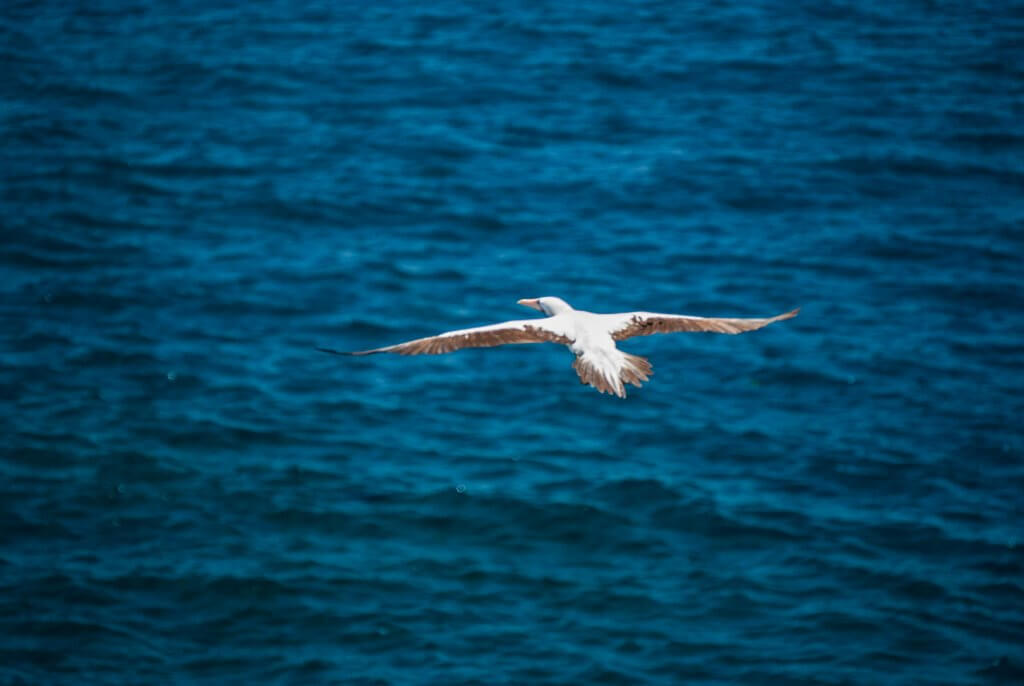
Nazca booby (Sula granti) – The largest Galápagos booby, with striking black-and-white plumage.